
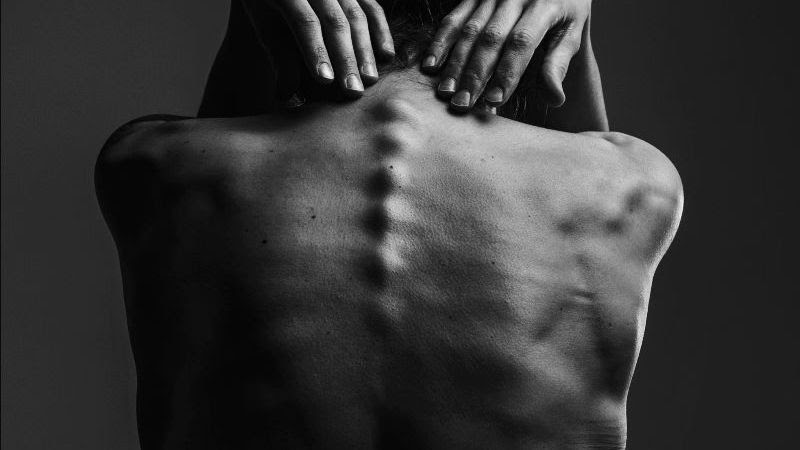
Shoulder problems are one of the common reasons people come to see me.
The shoulder joint is a work of art. It’s fixed to the skeleton via the collar bones at the front. And has a large range of fascia and muscles attaching it at the back, sides and front. It’s massive range of movement coming from the lack of skeletal attachments.
The location of the shoulders means that they share muscles with the chest, back & neck. The attachments go all the way up to the base of the head. It’s a “Piccadilly Circus” of the musculoskeletal system. Small fascial wraps or “sleeping bags” allow the bundles of muscles to move, and to slide around each other. There’s a small amount of liquid between the fascial wrapping. If we’re not using our full range of motion, but get a repetitive in how we move the shoulders, they can start to get sticky.
Shoulder support
It’s not the only issue. For the shoulders to be free, and supported by the ribs and the spine, the ribs and spine also have to be mobile. All the way down to the pelvis.
If you’re always rounding your chest, the shoulders can’t slide all the way back towards the spine.
Try it out for yourself.
Round your back (take your head down to look between your legs). Include the pelvis, round it so your waistband goes backwards too. Then try to slide the shoulders backwards towards the spine. They’ll go a certain way and stop, before they can move the full range.
Then, gently arch your back: tilt your Pelvis forwards. Lean your head back, to look up and include your whole spine in that gentle arching. Especially the area between the shoulders. This area often stiffens through less use as we age.
Then slide the shoulders back, and feel how much further they can go.
In an ideal world the shoulders can move forwards and backwards, up, and down. In Feldenkrais we use those simple directions to find greater ease of movement. And with it, a larger range of motion.
If you only think about the shoulders in isolation, it’s unlikely you’ll get to the root of the problem.
It’s often is a combination of factors. We’re complex creatures after all.
 Transform how you move, feel and live