This year I’m doing some additional training looking at the early years of child development. In order to inform my work with adults and children.
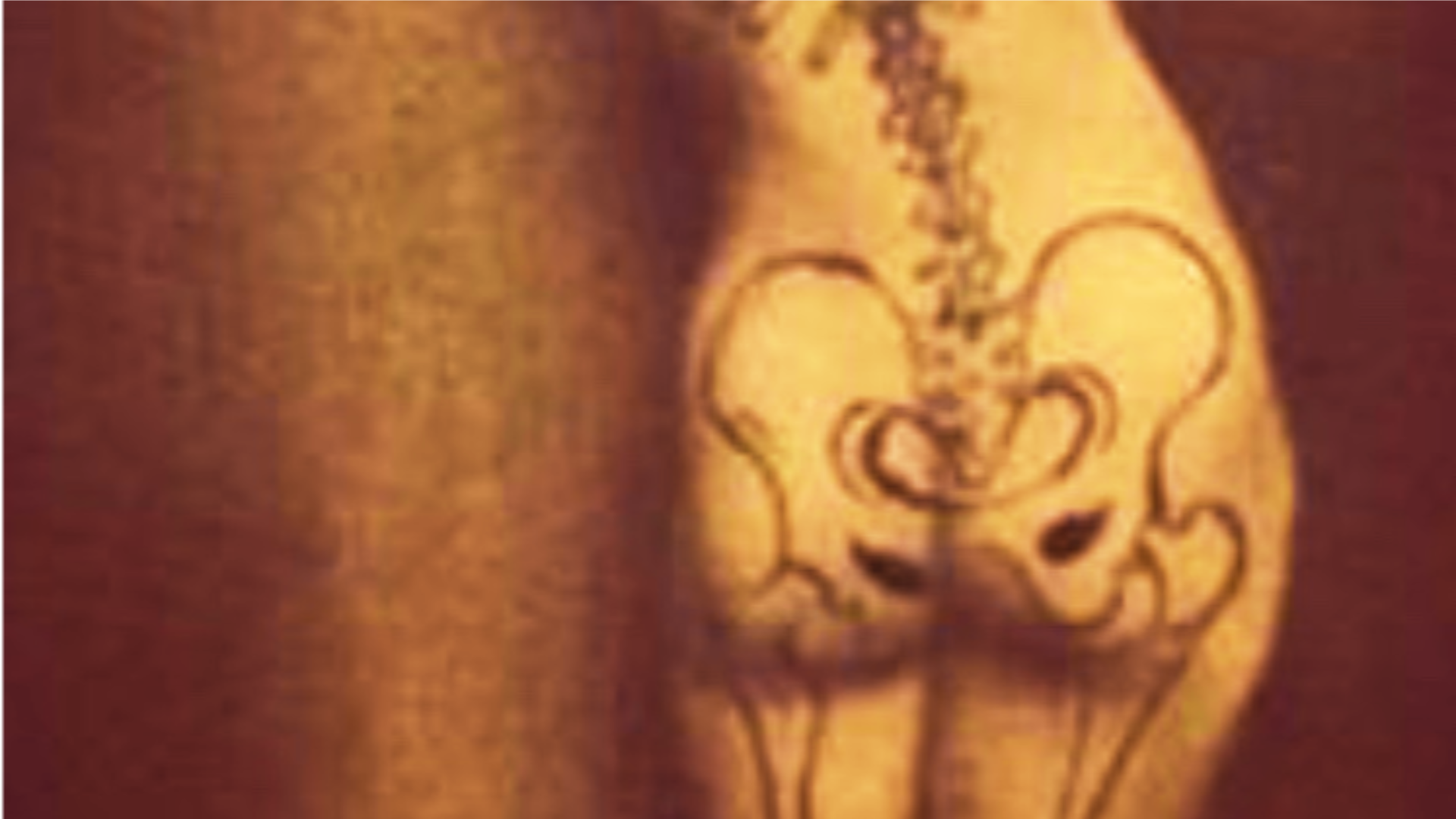
It’s interesting how stages missed out in early childhood show up in our movement habits and even the way we look. One of my colleague’s children is at the moment walking- without having done any crawling. It turns out her husband did the same – going from creeping to walking without crawling. Crawling by necessity involves movements of the back in both flexion and extension. As we crawl we use the knees and hands (eventually) across body, some babies may do this on the homolateral side first. But crawling helps the cross body muscles and connections between the pelvis and shoulders form. Without it, we have a tendency to back pain in later life. The muscles that create both flexion and extension profit from time in crawling to create a basis for efficient and ergonomic walking when it comes.
We tend to celebrate walking upright as an important milestone, but crawling is equally important!
 Transform how you move, feel and live
Very interesting Emma.
I was born with Bi lateral taliped, had an operation on both feet at 9 months, I didn’t walk when I was supposed to as both my feet and legs up to my groin were encased in plaster casts for quite a while. Apparently, my parents told me, I eventually pulled myself upright with the casts on! And was forever banging my feet together smashing the casts, had to keep taking me back to the hospital to get them reinforced.
Later on, I was always being asked if I suffer from lower back pain, thankfully I don’t. I’m not sure what point I’m trying to make here, but your post is very interesting. Thank you.
LikeLike