
This last ten days I’ve been a little under the weather with a cold. Not unusual for this time of year of course. It’s been interesting to think about the experience of having a cold from a movement point of view. And to notice the change in holding patterns that come with illness.
The most noticeable was the change in breathing. My breath was shallower than usual, and my lungs felt tight. Along with that my ribs felt stiffer than usual. Because I wasn’t moving or breathing as usual, my neck and back were a little tighter as well. All normal when our immune system is fighting off a virus.
The intercostals:
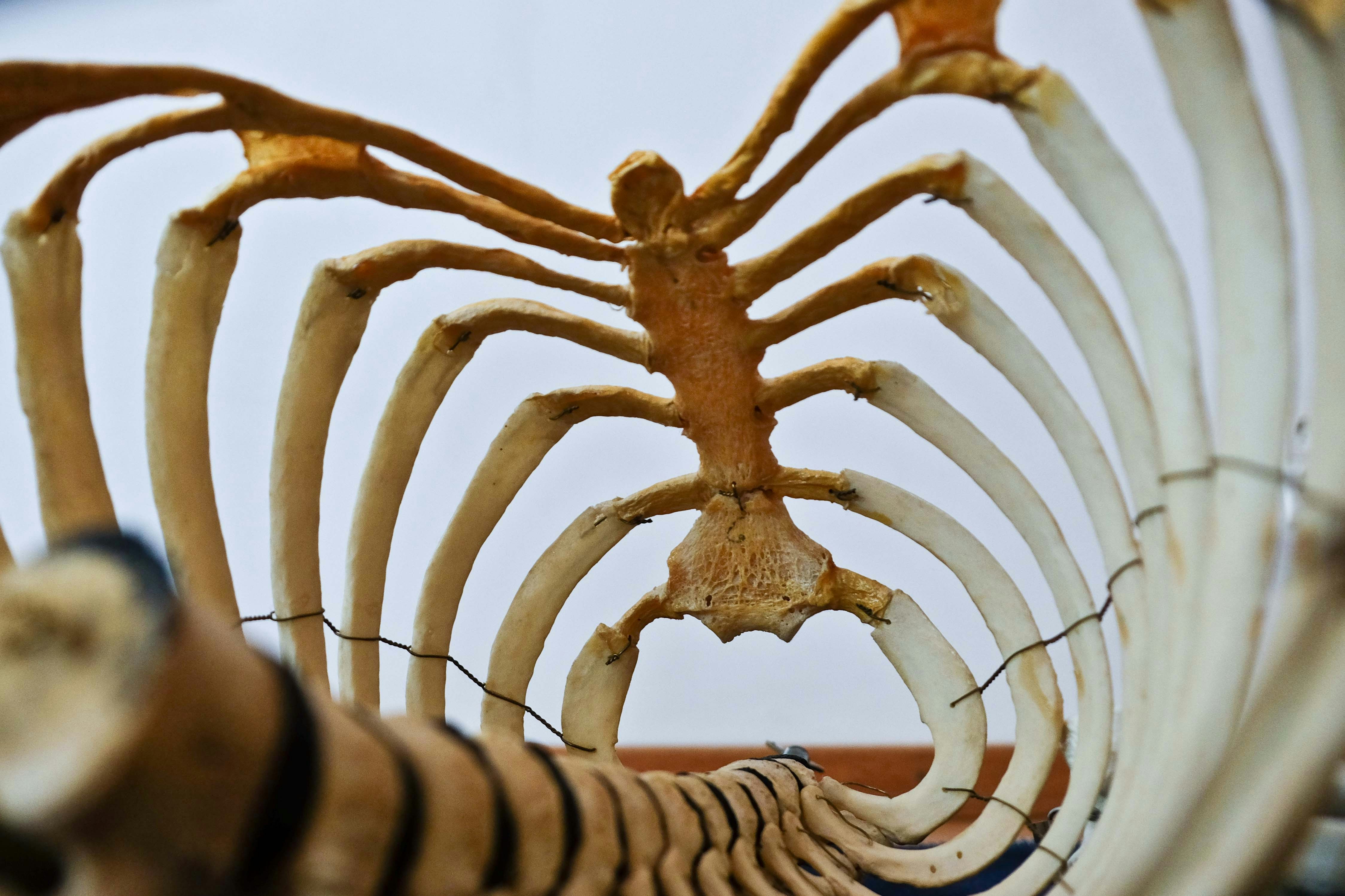
Let’s have a look at the rib muscles:There are two sets of intercostals. One on the inside of the ribs, and one on the outside. They connect in the spaces between the ribs. What you can feel with your fingers is the part of the inter-costal muscle between the ribs. This has this double layer too. Both layers need to move with freedom to have your full range of both movement and lung volume. Along with the diaphragm of course.
When we get very congested, our lungs don’t move as much. Frequent coughing can lead to the intercostal muscles getting sore,. Then of course, you also move them less. Everything in your body is interconnected. So when you’re coughing a lot, it’s easy to strain the chest and back muscles. They all play a role in both moving the ribs and breathing.
Adaptive postures and patterns
Discomfort and pain often leads into adaptive postures and holding patterns. Colds, flu, or illness are no exception. Not only of the musculature, but of the lungs too. They get used to taking in a smaller volume of air.
Sometimes once you’re better, the change in activity resets you. But for many if you don’t do anything conscious to change gear, you’ll continue to breathe in a restricted way.
Once you’ve made a protective adaptive behaviour, and done it for any length of time, it becomes the norm. Your brain forgets what it was doing prior, and stays with the new homeostasis.
Re-mobilising the ribs
Re-mobilising the ribs, the diaphragm and your breath can be most useful in getting back to normal after a cold. It’s good to ease into movement after illness, so you don’t get fatigued, and Feldenkrais is an excellent way to do that, as you’ll be moving at your own pace
Our theme this month is Freeing the Ribs. So this fits in perfectly. Join us for a class if you haven’t already, and try it out!
 Transform how you move, feel and live