
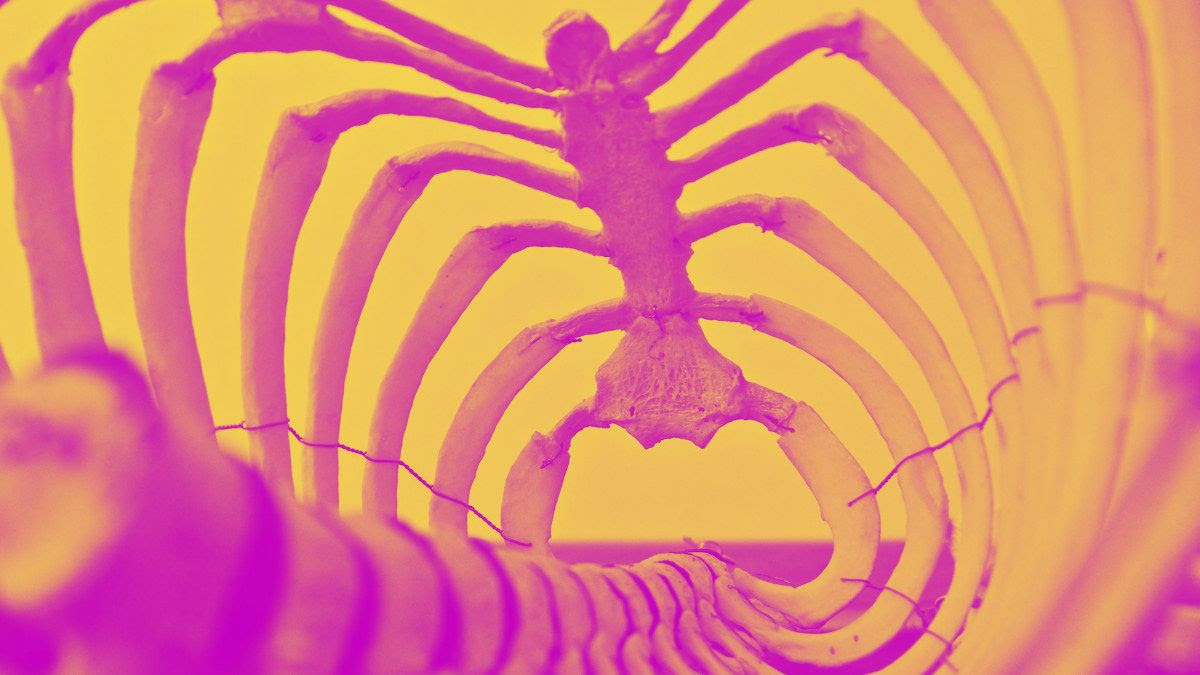
In these last weeks, I have been teaching a series of lessons on Anatomy for Musicians. A little anatomical visit to the area, finding it on yourself, and then a Feldenkrais lesson to help free it up. This week we’ve been looking at the chest.
As a Feldenkrais teacher who works with musicians, I see how tension in the chest affects the sound. Everything from breath control to posture, shoulder mobility, emotional expression, and tone production. No matter the instrument.
But it’s not just musicians!
We all need a dynamic chest: one that’s stable but not stiff, mobile yet grounded. Feldnkerais is often described as Experiential Anatomy. So lets’ have a look at the musculoskeletal anatomy of the chest from a functional perspective this week. And consider how cultivating awareness can change how you move, and crucially, breathe.
Your Bony Framework: Structure and Support
Your Ribcage consists 12 pairs of ribs. The top 10 attach directly and indirectly to the sternum. The final two “floating ribs” don’t connect around to the front at all.
Whilst the word might suggest it, your ribs aren’t rigid. It’s more a flexible, springy basket, designed for moving. Each rib connects to the spine in the back. When you twist or glide, the joints at the back glide. When you stiffen the ribcage, this inhibits its natural mobility, and creates strain.
The sternum (breastbone) connects with the ribs at the front. It looks a little like an old fashioned tie, and creates the structure of the front of the chest.
Twelve vertebrae form the thoracic spine * to which the ribs attach. This part of your spine is often underused. Often as we age, it can get too fixed. Over-rounding is common, which leads to the “Dowager’s Hump”. We need healthy thoracic mobility to support the shoulders. And to allow easy movement of the arms, and the breath and actually your whole body. Freeing this area often leads to an more effortless elegant posture. Which is what we’re aiming for!
* (of the thorax- the chest/middle of the body)
Muscles of the Chest: Movers and Breath-Shapers
Muscles are active when they contract. Then they need the opposite muscles to contract, so the first can lengthen. I worked with a gentleman who had had a car accident, and was partically paralysed. He could move his triceps, but not the biceps, which meant he couldn’t move his arms. We often feel the opening of the muscle more than the contraction, so assume that’s the active part.
Intercostal Muscles
These lie between the ribs,, they help expand and contract the ribcage. Small but powerful, they enable a nuanced movement required for moving the ribs. Not only in the breath, but for sidebending, flexion-extension, or rotation.
Diaphragm
The diaphragm is the primary muscle of breathing. It’s dome-shaped, and attaches to the bottom ribs and lumbar spine. When functioning freely, it allows the lungs to lengthen. Interestingly, you have no conscious control over it. There are no nerve endings in the diaphragm to allow for that. You can only indirectly organise its movement, through directing the lungs.
Pectoral Muscles
The Pectoral muscles (minor and major) connect the upper chest to the arms and shoulder girdle. They work in tandem with the back muscles, to move the torso, As well as the shoulders. If the pecs are habitually contracted, you’ll feel a reduction of both lung capacity and arm movement.
There are a few more, but I suspect that’s enough for one sitting.
The “holistic” Chest
Your chest isn’t an isolated chunk. You can think of it like a bridge linking the limbs to the spine. Or your breathing to your neck and head on the one end, and your pelvis at the other.
Tension in the chest has a domino affect around the body:
- stiff ribs restrict spinal movement;
- a held sternum limits breathing and vocal resonance;
- overworking the pecs and shoulders compromises neck, shoulder and arm fluidity.
Other common un-useful holding patterns I see include:
- bracing the upper chest, and trying to breath without the ribs acting like an accordion.
- People who think the ribs should stay still, which affects the quality of their breathing.
- The chest sinking inwards, or is puffed out. Either way, both holding patterns restrict breathing, reduce neck movement, and increase fatigue.
- Which in turn leads to a higher risk of injury.
Shift your thinking:
- Your chest is not a static support, it’s a dynamic part in breathing, and all generous human movement.
- Habitual tension in the chest is often unconscious . To improve it, awareness is the first step.
- Freedom in the chest supports freedom in movement — whether that’s your arms, shifting weight in walking or
When you can feel your chest as part of a whole, it helps work out what your habits are. And softening the chest leads to easier and fuller breathing, and movement. In turn meaning easier walking, climbing without extra effort.
 Transform how you move, feel and live