
As part of my work as a Feldenkrais practitioner, I see one to one clients, for more bespoke help. One of whom came to see me to see if I could help with his back pain. He’s a graphic artist, and commissions can mean, like many of us who work digitally, he spends a lot of time in one position. So we worked together on alleviating his discomfort, and giving him a range of moves to play with and explore to help it not return.
Feldenkrais helps with back pain
Whilst we don’t have enough scientific double blind studies around the Feldenkrais Method, there are a few. A 2015 study (Journal of Bodywork and Movement therapies) found that people who engaged in Feldenkrais sessions experienced significant improvements in pain intensity, disability and overall function compared to the control group. And another study in 2017 (the European Journal of Integrative Medicine) reported that participants with chronic low back pain who had a series of Feldenkrais sessions improved.
It’s what I’ve experienced myself in an anecdotal way, from both clients, colleagues and myself.
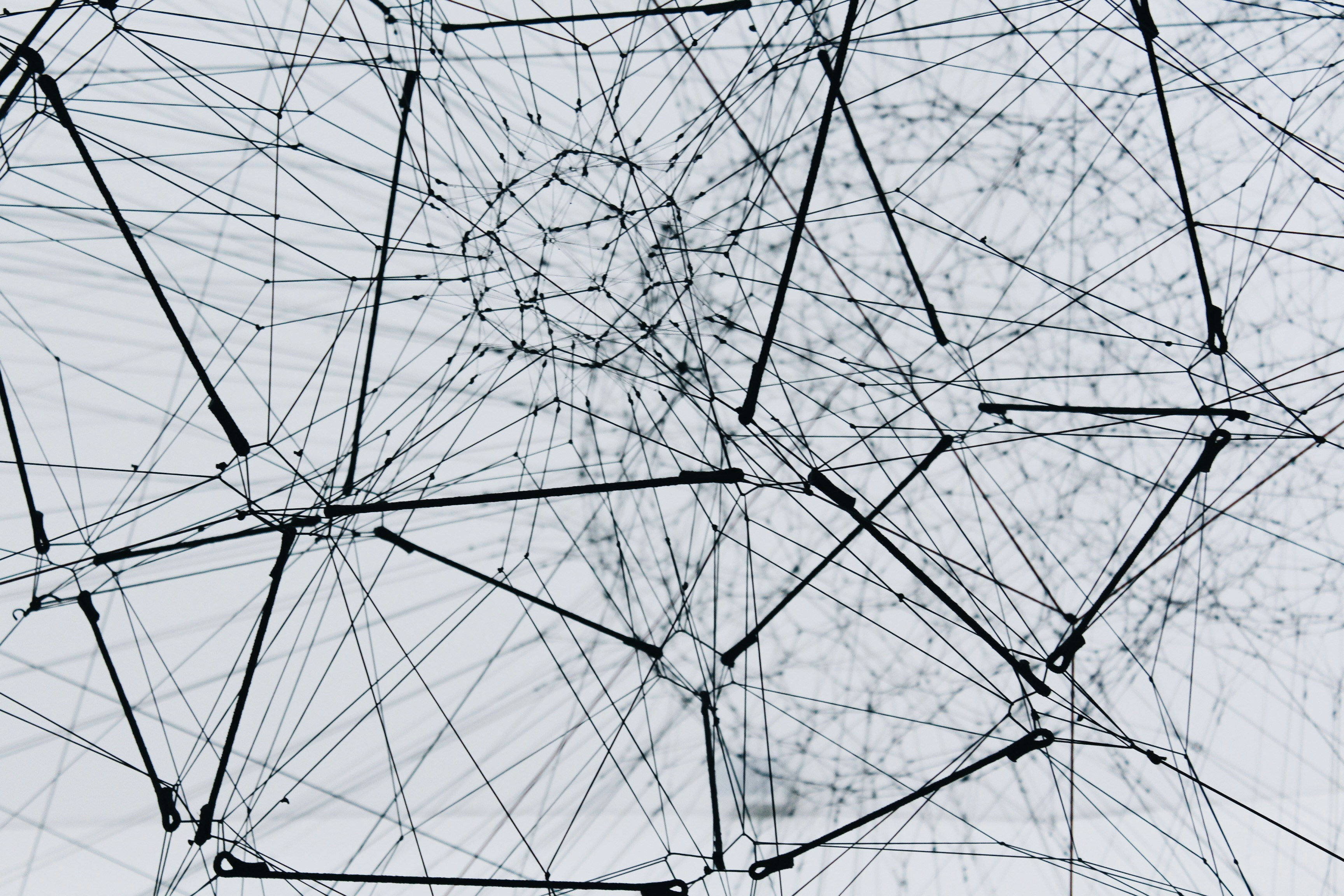
Connecting the dots
Part of what we teach is around proportional muscle use. When we use too much effort, the muscles work too hard, and prevent us from moving easily. Often a small area of the back is overworking, whilst other areas are under-used.
Another idea fundamental to our work is is connecting the dots of ourselves up. These two go together- if we can feel the connections, we can use ourselves in a more connected way. When we can’t sense ourselves, it can be hard to do this.
Having more of our whole selves in the picture can help us not overuse one area, and underuse another. But rather use all of ourself.
When we think of the skeleton, we naturally reduce the effort
Another sensing idea is to feel and move our skeleton. So we can notice when we transmit power more sequentially through the skeletal system. It goes hand in hand with noticing and sensing. The less excess effort and tension we use or hold, the easier it is to sense our entire self. When we can sense our skeleton, we can transmit power through it more ergonomically, and successfully.
That’s part of the theory. It’s a learning method of experience, of course, so there’s only so much you can read about it. The best way is to do it.
Flexible minds
The idea of a lesson is not just to move ourselves, or be more flexible physically, but to have a different experience of yourself at the end of a lesson. Feldenkrais said “I don’t want flexible bodies, I want flexible minds”. The two go hand in hand. After all, our body and mind are indivisible, even if our language hasn’t caught up with modern neuroscience yet!
 Transform how you move, feel and live